
Why Canadian Youth Are Vulnerable to Problem Sports Betting

With the introduction of a regulated gambling market, sports betting has rapidly expanded across Canada. At first glance, this concerns adults only, since in most provinces and territories, participation in gambling activities is limited to those aged 19 and over. In practice, however, children and adolescents also place sports wagers. The fact that they find ways to bypass age restrictions is only part of the problem. The real issue lies in the fact that underage bettors face a significantly higher risk of developing problem gambling behaviour. What drives minors toward wagering, which factors increase their vulnerability, and what can be done to reduce the harm – this article examines these questions.
The scope of problem sports betting among underage Canadians
When discussing youth involvement in betting, the data is deeply concerning. As early as 2019 – before the legalization of single-event sports wagering – research showed that around 4% of high school students experienced mild to moderate gambling problems, while 2% reported more severe symptoms resembling addiction.
Another large-scale study conducted by the Centre for Addiction and Mental Health together with the University of Waterloo, which included more than 10,000 school students, found that nearly 10% of Canadian adolescents had placed online sports bets within the previous three months. Importantly, most of these young people were below the legal age for gambling.
Even more alarming, among those who wagered both online and offline, 36% displayed signs of potential betting addiction on a standardized problem gambling scale. By contrast, only 8% of those who bet exclusively offline showed similar indicators.
Why the adolescent brain is highly susceptible to online betting
To understand why young people are particularly prone to gambling addiction, it is necessary to look at how the teenage brain functions. The human brain completes its maturation around the age of 25, and sometimes later. Until then, teenagers and young adults struggle to accurately assess risks and make emotionally detached decisions.
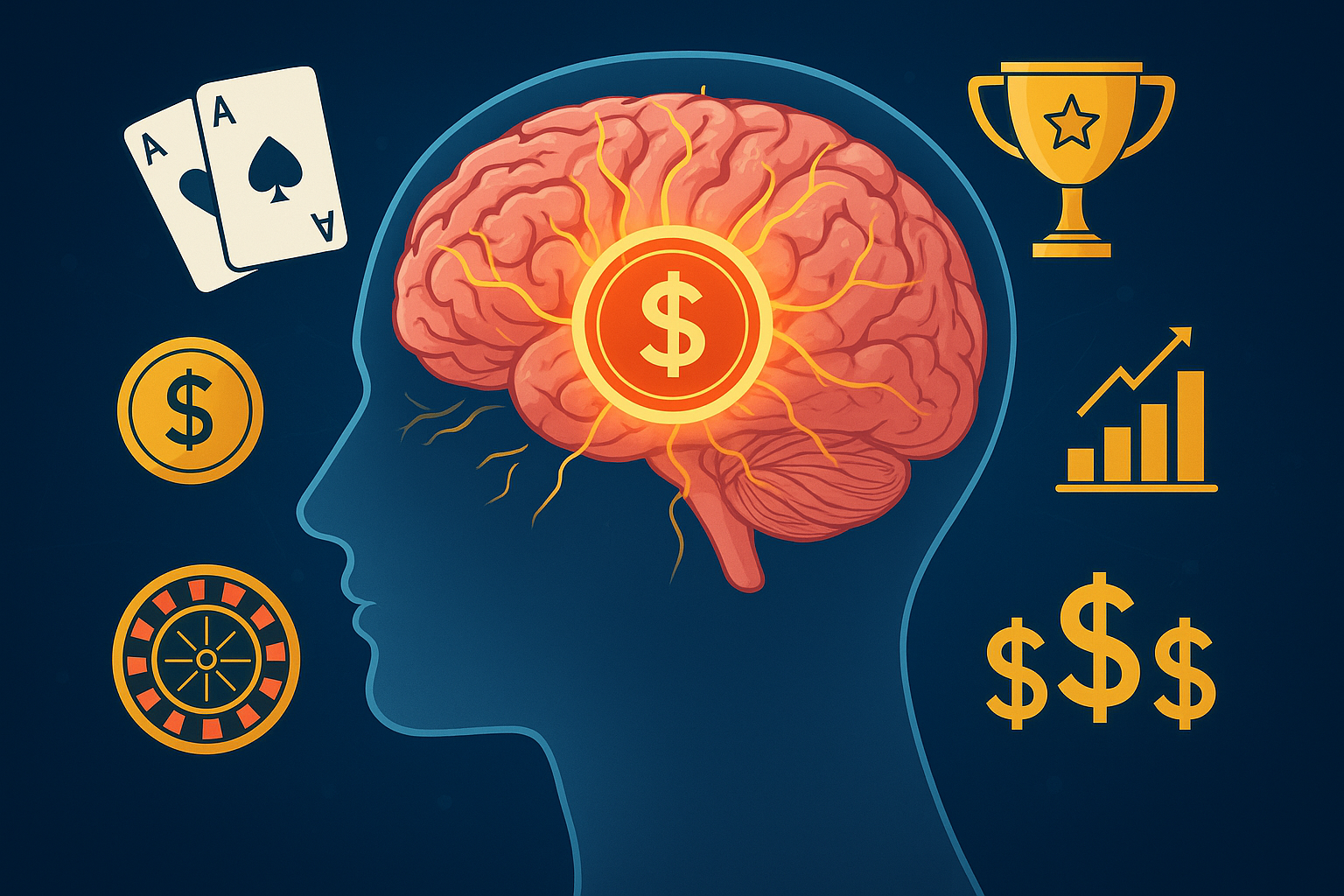
Here are three characteristics of the adolescent brain that distinguish it from that of adult bettors:
- An underdeveloped prefrontal cortex. This region is responsible for rational thinking, planning, and behavioural control. In teenagers, it is still forming, which makes them more prone to impulsive decisions.
- Heightened dopamine system activity. The adolescent brain shows increased responsiveness in areas linked to pleasure and reward. As a result, a betting win feels exceptionally powerful and is strongly reinforced in memory.
- An overactive amygdala. This structure governs emotions and instinctive reactions. In youth, it operates at full capacity, while the rational prefrontal cortex has yet to mature. The outcome is emotion-driven choices rather than logical ones.
Steve Joordens, a professor of psychology at the University of Toronto, highlights an additional risk factor: the use of random reward mechanisms on online sportsbook platforms. When a young bettor goes for a long time without a reward, the feeling emerges that a win is becoming increasingly likely, prompting continued play. This leads to impulsive wagers and an inability to stop until all funds are lost.
In addition, adolescents tend to boast about successful wagers and feel pride when they correctly predict sports outcomes. Older bettors are usually more reserved; for them, winning feels routine, although many still underestimate the risks. Adults are influenced by different psychological triggers, which we discussed in another article.
How problem betting in youth differs from adult gambling addiction
Problem betting develops differently in minors than in adults and carries more serious consequences.
Here are several key distinctions:
- Impact on personal development. Adolescence is a critical phase for building identity and social skills. When problem betting emerges during this period, it can shape future behaviour in harmful ways. Dr. Shawn Kelly, a pediatrician with the Canadian Society of Addiction Medicine, warns: “We know that this worsens mental health, we know it increases school absenteeism, and it increases criminal behaviour or delinquency in minors.”
- Elevated suicide risk. One of the most troubling findings is the link between problem gambling and suicidal tendencies among young people. Studies show that adolescents with betting-related addiction report significantly higher rates of suicidal thoughts and attempts than their non-gambling peers.
- Increased social isolation. Unlike adults, who often bet socially with friends or colleagues, youth are more likely to place sports wagers alone online. This allows harmful behaviour to remain hidden for longer, increasing the depth of the problem. Many young bettors actively conceal their activity, which further weakens social ties.
Taken together, these factors make youth problem betting especially dangerous. While adults typically engage in sports betting with a formed personality and life experience, adolescents incorporate addictive patterns into the foundation of their developing identity. This is not simply risky entertainment – it is a disruption of the normal maturation process, with consequences that may affect an entire lifetime.
How advertising normalized betting for Canadian youth
One of the main reasons betting has become so common among adolescents is the unprecedented level of gambling advertising in Canada. After the legalization of single-event wagering, promotions for sportsbooks flooded television broadcasts, social media, and even sports arenas themselves.
Dr. Shannon Charlebois, editor of the Canadian Medical Association Journal, highlights the scale of the issue: “There’s no limit on how many of these ads can be placed within a sports broadcast or how long they can be.” She also notes that sportsbook brand names are projected directly onto football fields and hockey rinks. Moreover, commentators affiliated with betting companies often have their own dedicated segments during game breaks.
The problem with advertising is that it raises awareness and encourages participation – not selectively, but across the entire population, including children. According to available data, in 2025, 19% of Canadian adults placed at least one sports bet. However, this figure does not account for underage Canadians. Meanwhile, adolescents are constantly exposed to betting promotions while watching hockey or football with their families. Over time, this creates the impression that placing a bet is a normal part of following sports and simply enhances the viewing experience.
Carey Murphy, founder of the Compulsive and Problem Gamblers Society in Nova Scotia, has also warned about the impact of constant exposure: “You’re sitting watching a hockey game or a baseball game or a football game, and eight and a half minutes are spent on advertising while you’re 12, 13, 14 years old watching this. So what happens when they get to 18 or 19? They think they know everything about sports, they’re going to want to play.” His remarks reinforce the idea that betting advertising is far from harmless. Even if a child does not place a wager today, early normalization increases the likelihood of harmful betting behaviour later in life.
What measures are planned to limit betting ads for minors
Canadian society is not ignoring the issue. In November 2025, more than 40 senators signed a petition urging Prime Minister Mark Carney to introduce a full ban on sports betting advertising in Canada.

“We cannot legislate away human weakness, but we can limit the ability of others to profit from that weakness, or indeed to promote the exploitation of that weakness,” the senators wrote.
In September 2025, the Canadian Senate passed a bill aimed at banning sports betting advertisements. However, it still requires approval by the House of Commons, and there are currently no clear signs that the government will support the initiative.
How parents can support their children right now
While regulatory decisions are still pending, parents can take immediate action to reduce the risks associated with youth betting.
Here is how you can help safeguard the younger generation from problem gambling:
- Talk openly. Discuss sports betting and gambling in the same way you would address alcohol or drugs. Be honest about the risks and avoid minimizing the issue.
- Use parental controls. Restrict access to games and platforms that include betting mechanics, including loot boxes in video games, which researchers increasingly associate with the development of harmful gambling behaviours.
- Lead by example. Pay attention to your own participation in betting, lotteries, poker, or other forms of gambling. Children often mirror adult behaviour.
- Stay alert. Sudden mood changes, declining academic performance, unexplained requests for money, or secrecy around online activity can all signal gambling problems. Information on where to seek help is covered in this article.
And remember: you should never blame yourself if your underage child has started betting excessively. A vulnerable adolescent brain, aggressive sportsbook marketing, and easy access to online platforms create a perfect environment for addiction to emerge. But you do have the power to help your child break out of this cycle and protect them from the long-term consequences of reckless gambling.
Relevant news

Updated Gambling Support System in British Columbia Explained
British Columbia ranks third in population among Canadian provinces and continues to show steady economic…

Online Betting in Canada: When Convenience Turns Into a Problem
Online betting has become firmly embedded in the habits of Canadian players. There is no…

How AI Pushes Canadians Toward Betting
A major global trend of recent years is the growing popularity of AI-powered chatbots. Millions…

Marketing Strategies and Psychological Tricks Bookmakers Use on Canadian Bettors
According to a survey by Ipsos Canada, 30% of Canadians are registered on at least…

Young Canadians and Betting: How Education Can Help Prevent Gambling Harm
Gambling, including sports betting, has become an integral part of the digital world – where…

How Artificial Intelligence Is Used in Betting in Canada
Artificial intelligence is gradually transforming the betting industry in Canada. Local operators are increasingly adopting…