
What July 2025 Meant for Canadian Betting
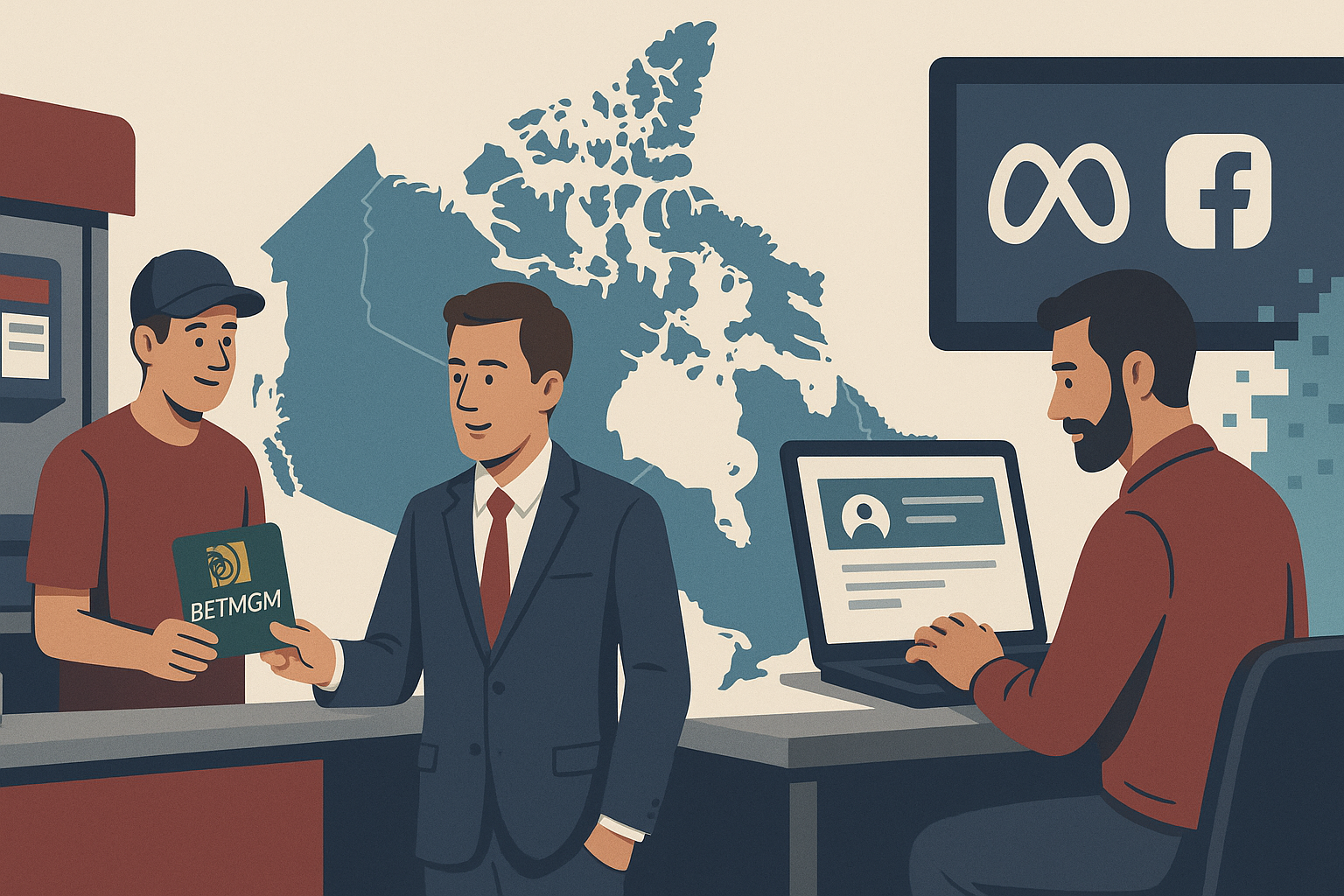
The summer heat wasn’t limited to the weather – Canada’s betting industry saw just as much intensity. Some players gained momentum, while others felt the pressure from regulators. Certain developments followed ongoing trends, while others set new directions. This digest highlights the key news from July and offers a broader perspective: not just what happened, but why it matters and what could come next.
Gift cards: a new way to fund your BetMGM account
In July, BetMGM launched Canada’s first gift card specifically for funding iGaming and sportsbook accounts, available in Ontario. The initiative is a joint effort with TAPPP, a company specializing in prepaid payment solutions. The card can now be purchased at more than 2,500 locations – from gas stations to supermarkets.
This solution is ideal for those who don’t want to enter credit card details, use e-wallets, or simply prefer cash. The card includes a PIN, allowing instant top-ups to the account. And for those looking for additional protection against fraud, we covered that in this article.
Importantly, there’s a weekly deposit limit of $250. This keeps the system aligned with responsible gaming practices and integrated with GameSense, a program supported by the British Columbia Lottery Corporation.
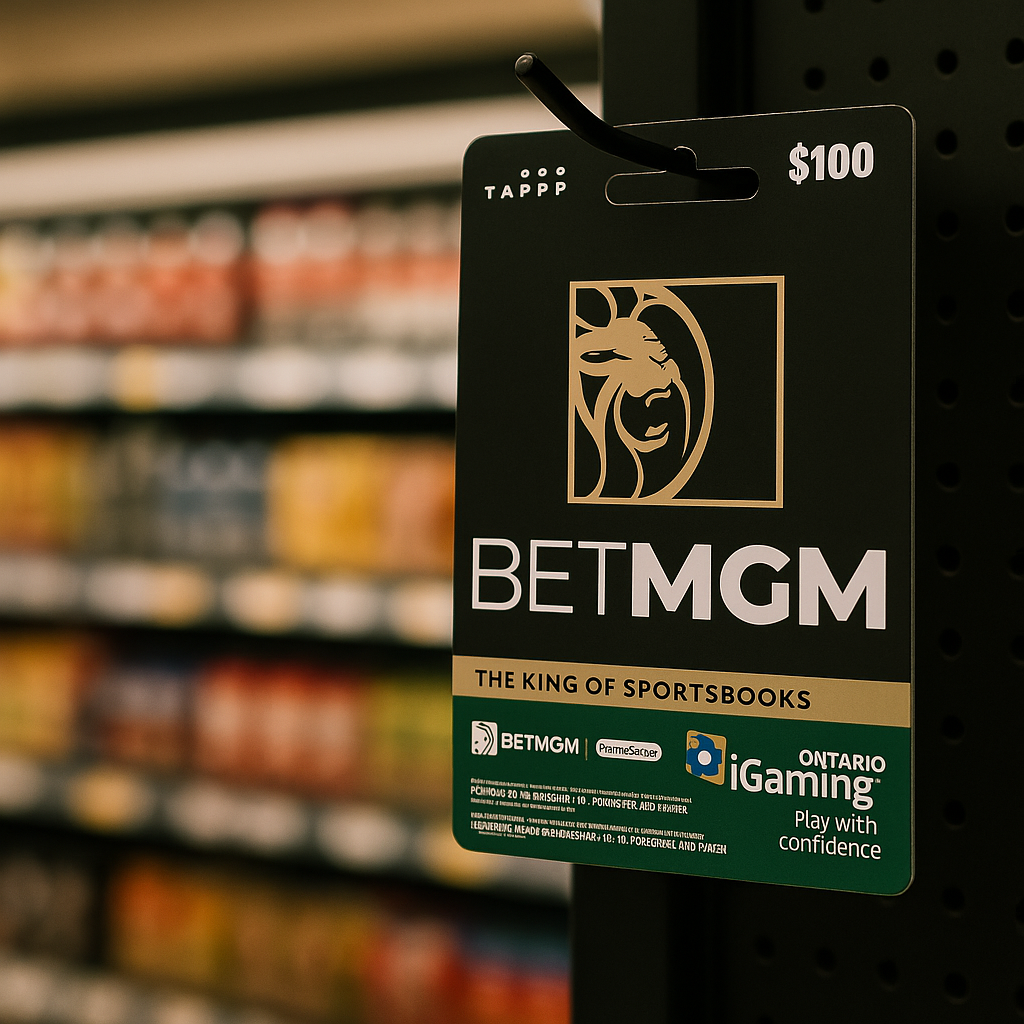
This isn’t a test run for BetMGM. The model was introduced in the U.S. back in 2021 and proved successful – nearly all cards were redeemed. Now, the company is aiming to establish an offline presence in Canada, where digital brands rarely venture into the physical retail space.
It’s a logical step. The ability to add funds without sharing bank details, right at a local store, could appeal to those who have been hesitant about online betting. Don’t be surprised if other operators roll out something similar soon.
Atlantic Lottery Corporation enters a new phase: focus on growth and fair play
As Atlantic Lottery Corporation approaches its 50th anniversary, the organization also welcomed a new CEO. Dallas McCready – an executive with a background in public administration and strategic planning – has stepped in. He previously led development efforts in key areas within ALC and now takes the helm at a time when the market is expanding and competition is heating up.
McCready has already laid out his priorities. The main goal is to win back players migrating to unregulated “grey market” operators. According to ALC estimates, it loses up to $200 million annually to these platforms. Even as the region’s only licensed operator, ALC currently holds less than one-third of the market. The five-year goal is to reach at least 50%.

To get there, ALC plans to pursue several strategies: expanding its online presence, building brand trust, and maintaining a commitment to responsible gambling. McCready emphasizes that it’s not just about profit – it’s about how that profit is earned. For him, responsible play is paramount, and that sets ALC apart from unlicensed competitors.
Last year, ALC took a growth-focused step by launching a regulated iCasino in Newfoundland and Labrador. Despite minimal advertising, it attracted users away from the grey market. This shows there is trust in government-backed platforms – especially when they offer clear rules, protection, and stability. We previously covered BCLC’s successful experience opening retail betting shops.
In short, ALC has every opportunity to attract new users and earn their loyalty. The progress might be incremental for now, but with consistent and well-planned efforts, success is within reach.
AGCO relaxes oversight: training casino and lottery staff gets easier
In July, Ontario introduced changes to how gambling industry employees are trained. Operators are no longer required to get Registrar approval for responsible gambling programs. Training remains mandatory, but companies can now develop and update content independently – as long as it meets best practice standards.
AGCO stresses that these programs shouldn’t be just a checkbox – they must help staff identify risks and support players showing signs of problem behaviour. For instance, OLG’s PlaySmart program continues to meet all criteria.

At first glance, loosening oversight might seem risky. But in practice, it simplifies operations for providers. Not every platform is the same, and not all benefit from a one-size-fits-all training model. This opens the door for more modern, flexible approaches – especially given the rapid growth of online gambling.
It’s important to note this isn’t a removal of responsibility. Operators remain fully accountable. In June, AGCO issued guidance on recognizing high-risk players, with an emphasis on regular staff assessments and documentation of training activities.
In short, oversight is now less bureaucratic, but not less rigorous. Companies have more freedom – and with it, more responsibility.
Meta tightens rules: betting ads now require a license
Amid Ontario regulators’ push to curb illegal online gambling ads, Meta updated its policy. From now on, targeted ads for gambling on Facebook and Instagram require official approval from the platform. Advertisers must provide documents confirming they are licensed and compliant with local laws in the regions where ads will be shown.
The new rules apply not only to links that lead directly to gambling sites, but also to partner pages that promote gambling content. The policy covers all online formats involving monetary or other prizes – whether it’s betting, casinos, lotteries, or fantasy sports. Of course, all ads must target users aged 18 and up.
Operators now need to submit their license, corporate details, website screenshots, and a list of ad accounts through Meta’s business portal. Each request is reviewed manually. Influencers promoting gambling services must receive affiliate approval and submit a signed agreement with the gambling operator.

With AGCO cracking down on unlicensed – especially offshore – sites, Meta’s move seems like a logical and long-awaited step. Back in May, the regulator urged major media outlets to stop running ads from grey-market operators, specifically naming Bodog. Meta wasn’t directly mentioned, but the message landed.
Effectively, Meta has shifted from a formal filtering process to a far stricter enforcement model. This raises the bar for operators but also reduces confusion among users. And confusion is a real issue: according to the Canadian Gaming Association, many users struggle to tell legal platforms from illegal ones – especially when both appear in the same ad space.
Meanwhile, Parliament is once again debating the idea of national regulation for gambling ads – this time through Bill S-211. Its future is unclear, but Meta’s decision might set the tone and encourage other platforms to rethink their policies.
Where is the Canadian betting market headed now?
July made one thing clear: Canada’s online gambling market is evolving toward more transparency and stricter, yet flexible, oversight. BetMGM is making betting more accessible with gift cards. ALC is laying out a strategy to help government-regulated platforms compete with offshore providers. AGCO is giving the industry more autonomy in staff training. Meta is tightening the reins on advertising.
These aren’t just news items – they’re signs that the market demands new approaches: more flexibility for operators, but with clearly drawn lines between legal and unregulated sectors. The future of Canadian betting depends on how quickly – and responsibly – industry players adapt. The direction is clear. Now, it’s all about execution.
Relevant news

Updated Gambling Support System in British Columbia Explained
British Columbia ranks third in population among Canadian provinces and continues to show steady economic…

Bet365 and UFC Join Forces: What Canadian Bettors Should Know
The way people watch sports and bet on them is changing fast. In early 2026,…
What Happened in Canadian Betting: February 2026
The sports betting landscape in Canada continues to shift month by month. What happens behind…

What’s Holding Quebec Back From a Competitive Betting Market?
While 73% of Quebec residents play on offshore sites, the province loses more than $300…
January 2026 Highlights: Bet365 Partnership and Other Canadian Betting Updates
The beginning of the year is not always rich in news, but that is not…

New Online Sports Betting Standards in Alberta
On January 13, 2026, Alberta Gaming, Liquor and Cannabis (AGLC) published an 85-page document titled…