
Marketing Strategies and Psychological Tricks Bookmakers Use on Canadian Bettors

According to a survey by Ipsos Canada, 30% of Canadians are registered on at least one online gambling platform, with an average of 3.6 accounts per person. Despite these numbers, there is still little research in Canada on how betting marketing affects users. This is partly because the topic has long remained outside the focus of academic and public discussion. Until recently, addiction research mainly targeted alcohol, drugs, and lotteries. Sports betting – particularly online – was viewed as less risky, which shaped research priorities.
However, we’re now seeing growing engagement, especially among younger audiences and mobile app users. Here, marketing plays a crucial role – from visual design to emotional appeals and personalization. In this article, we’ll explore which tools Canadian betting platforms use to attract and retain users.
Important note: We advocate for responsible gambling. This article does not encourage you to engage with bookmakers’ offers, but rather aims to inform you about the tactics they use and their potential pitfalls.
Why are promotions and free bets risky?
One of the primary marketing tools is the welcome bonus for new players. Bookmakers offer free bets, deposit matches, cashback on losses, and more. These offers lower the entry barrier and create a sense of safety – the user feels they have nothing to lose.
Promotions are often presented as time-limited or personalized, pushing users to make quick decisions. The platforms highlight the benefits while downplaying the terms and conditions: minimum odds, wagering requirements, withdrawal restrictions. Bookmakers frequently use elements of what’s known as dark nudging – focusing users’ attention on potential gains while hiding the less favourable conditions. These terms might be buried in lengthy texts that most users are unlikely to read. But if you take time to review the bonus terms, it quickly becomes clear how difficult it actually is to benefit from them.
These tactics also work on a psychological level. Even a small win from a bonus can create a sense of success and encourage further betting. This creates an engagement loop – exactly what these motivation systems are designed to do.
Fortunately, surveys from the marketing research platform Maru show promising awareness: 62% of respondents believe that sports betting companies act irresponsibly in their advertising and marketing. This suggests users are beginning to recognize the risks hidden behind free bets and bonuses.
Betting and internet culture: a powerful combo for capturing attention
In Canada, professional athletes are prohibited from appearing in gambling advertisements, including sports betting. This rule, implemented by AGCO, was a response to public concern and expert warnings about addiction. The ban also covers sports commentators, coaches, and other influential sports figures whose opinions could carry weight among teens and young adults.
Nevertheless, brands have found workarounds. Bookmakers strive to integrate themselves into sports and digital culture by connecting betting to familiar content formats. One of the most popular tools is influencer marketing. Celebrities and influencers on Instagram, TikTok, and YouTube often place bets and share predictions. Without making explicit calls to action, they normalize gambling as easy, fun, and something even successful people like them engage in.
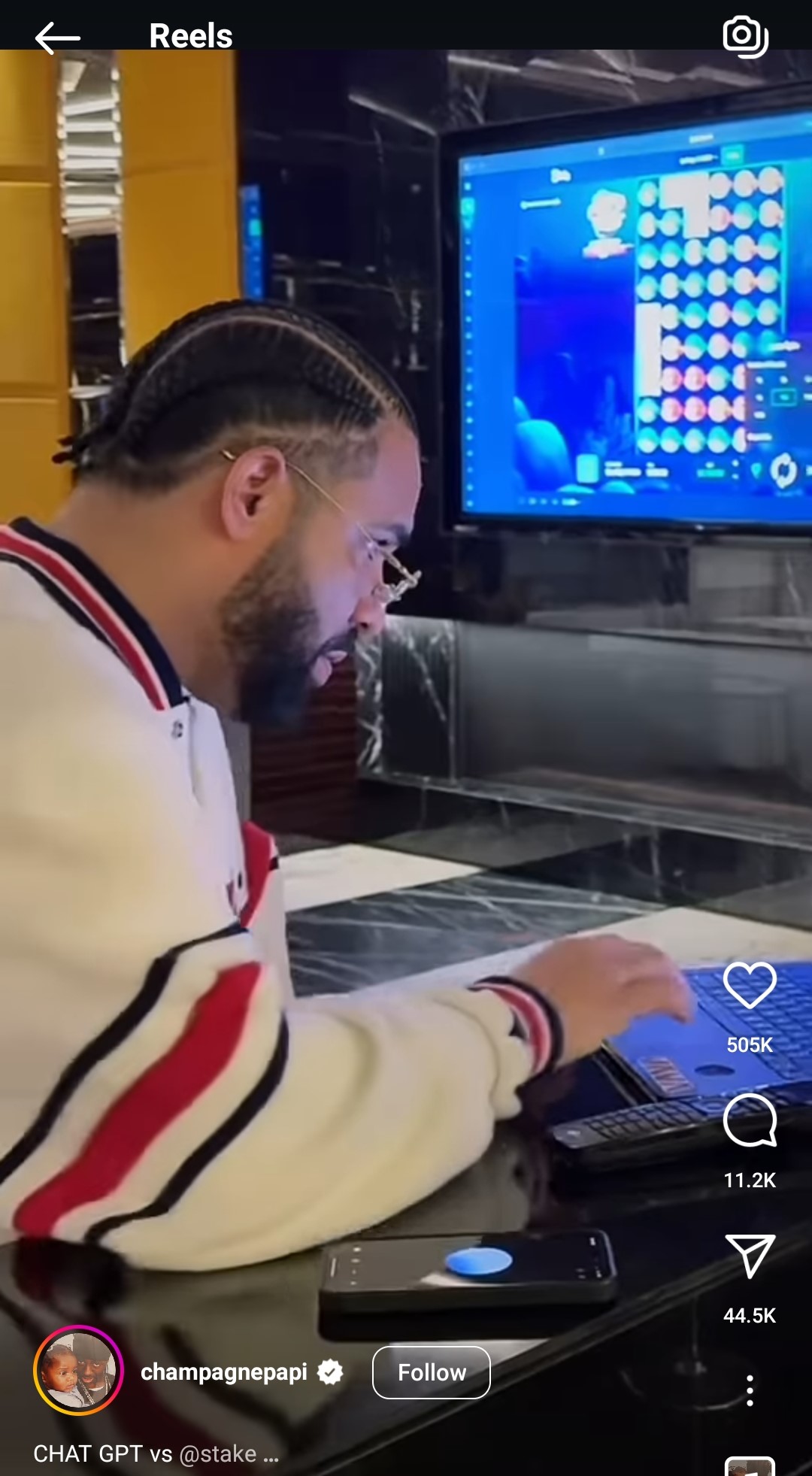
As a result, betting starts to feel like a natural extension of sports enthusiasm. This kind of indirect advertising reduces critical thinking – if a million-subscriber blogger places bets, it must be fine. What many people don’t realize is that influencers aren’t risking their own money – they’re being paid to promote the platform, while regular users are the ones spending.
Gamification and personalization: new tools for engagement
Many Canadian sportsbooks use gamification to make the betting process more entertaining and keep users engaged longer. Interfaces include levels, badges, missions, and activity points. Betting becomes part of a game within a game, where not only wins but also mere participation is rewarded.
In some apps, placing a series of bets unlocks new titles or boosts that resemble in-game rewards. This creates a sense of progress, even when no real money is won. It’s similar to reward systems in video games and fosters a stronger attachment to the platform.
These mechanics activate brain regions linked to motivation, encouraging repeated interaction with the platform. This effect is especially strong among mobile app users, where visual feedback and micro-rewards are built directly into the interface.
Gamification is often paired with personalization:
- Users are shown betting options based on past behaviour;
- Push notifications serve reminders;
- Promotions reference the user’s name or recent activity.
These features create the illusion of a custom-tailored service, though they’re actually finely tuned trigger chains designed to increase betting frequency. The platform seems to know what to offer – and does so at the right time.
Personalized notifications and gamified visuals significantly increase engagement, especially among younger users accustomed to game-like interfaces.
The power of urgency and “near win” notifications
Creating a sense of urgency remains one of the most effective marketing tactics in betting. Platforms use countdown timers, rapidly changing odds, banners saying “only 30 minutes left,” and alerts like “this offer is expiring soon.” All of this adds time pressure and encourages impulsive decisions. This urgency reduces the chance of rational analysis – bets are placed quickly in reaction to external stimuli. Urgency is used even more aggressively in mobile apps: notifications pop up at key moments – for example, just before a match starts or during halftime.

For deeper insight into these mechanics, see Addiction by Design by anthropologist Natasha Dow Schüll. She explores how game design, machine ergonomics, casino layouts, “ambience management,” player tracking, and cash access systems are all calculated to maximize engagement. While the book focuses on slot machines, many principles apply to online betting as well.
The hidden dangers of live betting and micro-betting
Live betting has become a key feature of the Canadian betting landscape. It allows users to place bets during a match – on individual halves, corner kicks, fouls, penalties, cards, and more. This creates a fast-paced, highly engaging experience in real time.
Live betting drives high-frequency engagement. Users follow the game, get new betting options, and respond immediately. This rapid tempo increases involvement and minimizes breaks between decisions. It benefits platforms by boosting user activity and keeping them locked into the interface.
Micro-betting deserves special mention. We discussed it in more detail in another article. From a marketing perspective, it brings betting even closer to gaming: constant feedback, rapid-fire outcomes, visual effects. As a result, users remain in a continuous participation loop.
Final thoughts
Marketing techniques in the betting industry are becoming increasingly sophisticated. They’re aimed not just at attracting new users, but also at keeping existing ones engaged. Much of the content, interface design, and communication strategies are built around emotions, impulsivity, and immersion.
Understanding these mechanisms allows users to approach betting more mindfully. The gambling market is highly competitive – entire teams of professionals fight for each user click. That’s why it’s crucial to recognize when you’re genuinely interested in placing a bet and when you’re being pushed by the platform.
In a related article, we discussed the principles of responsible gambling and the strategies that help you stay in control. We recommend reading it if you want to enjoy betting – without compromising your well-being.
Relevant news

Updated Gambling Support System in British Columbia Explained
British Columbia ranks third in population among Canadian provinces and continues to show steady economic…

Top 5 Movies That Can Offer Insights for Canadian Bettors
We all watch movies to relax and enjoy a good story – on our own…

How Sportsbook Ads Are Changing the Perception of Sports Broadcasts in Canada
In 2021, Canada legalized single-event sports betting, and in 2022, Ontario opened its iGaming market…

How Technology Is Transforming Online Sports Betting in Canada
Just ten years ago, placing a bet on a match meant visiting a sportsbook website,…
Why Canadian Bettors Prefer Bet365 and Other Key Habits
Ahead of one of the most event-packed sports years – with the Winter Olympic Games,…

The Canadian Bettor’s Calendar for 2026
2026 is set to be a busy year for sports betting fans. The main feature…