
How Sportsbook Ads Are Changing the Perception of Sports Broadcasts in Canada
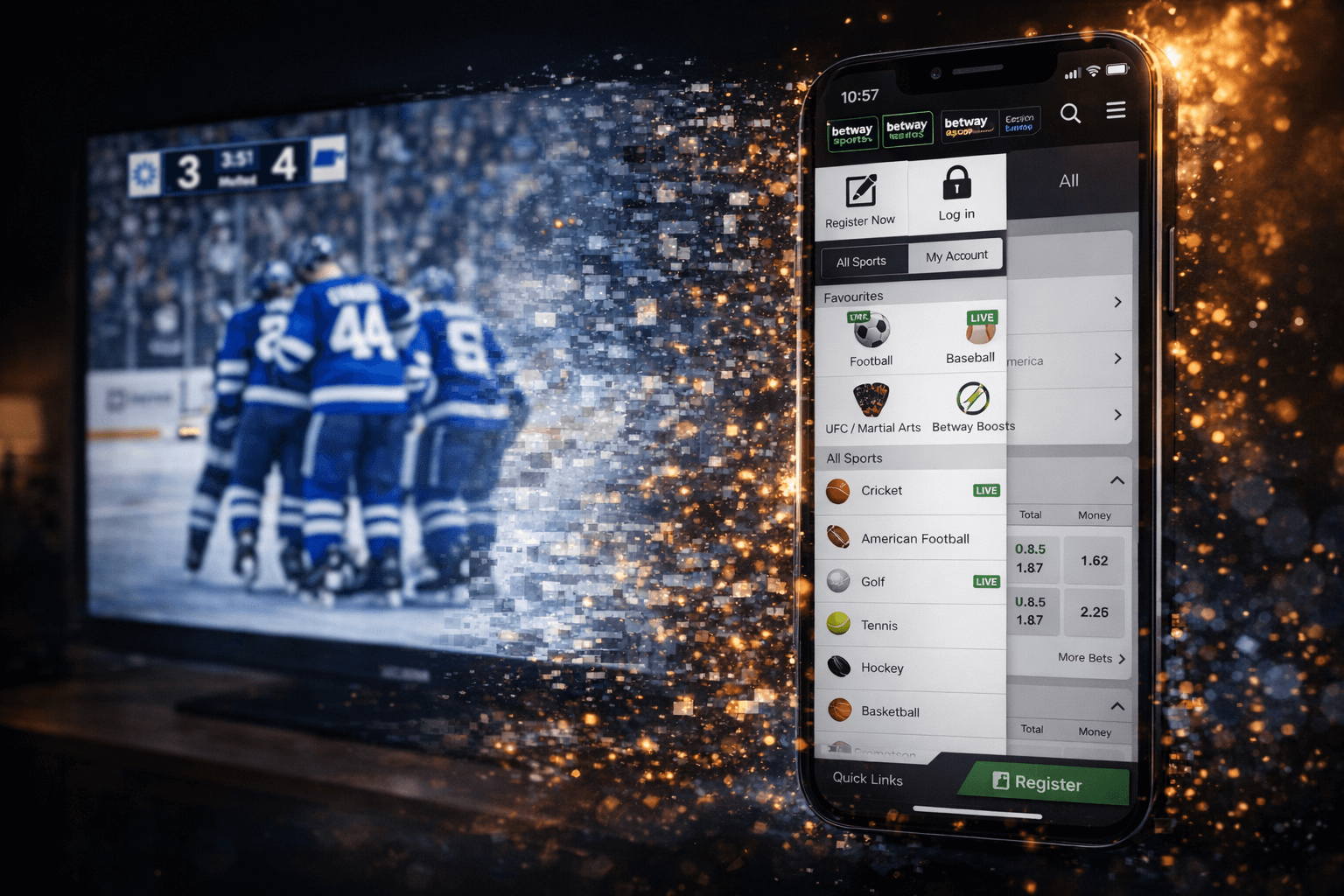
In 2021, Canada legalized single-event sports betting, and in 2022, Ontario opened its iGaming market for private operators. Since then, ads for wagering services have been everywhere: on athletes’ uniforms, on the ice during NHL games, in breaks of NBA broadcasts, and even in commentator segments. All of this looks like a standard sportsbook promotion. But researchers have begun to notice something interesting: this volume of advertising is changing not only what people see on screen, but also why they turn on sports broadcasts in the first place.
The number of ads the average Canadian sees during a game
Let’s start with a simple fact. CBC’s Marketplace, together with researchers from the University of Bristol, reviewed seven NHL and NBA broadcasts aired live on television and counted the number of sportsbook promotions. The result: about 2.8 betting messages every minute. More than 90% of logos and other references were placed directly on the playing surface – meaning inside the main frame rather than during commercial breaks.

Beyond television, marketing activity was also present on social media. In total, researchers counted 4,119 sportsbook promotional messages over just five days of broadcasts. Of these, 3,537 gambling references appeared on television and 582 in ads on X. The X promotions generated 5,687,087 views, largely among young men aged 24 to 35. And all of this was within the law, without a single violation of Ontario’s current regulations.
The shift in viewing when betting during a sporting event
At first glance, advertising seems to have little effect on how people watch a match – aside from occasional irritation. But here is what audience behaviour data shows. A 2022 TGM Research survey of Canadians found that every fourth bettor admits to watching games because of the thrill and the stake they placed. In other words, the contest becomes engaging not only because of the unpredictable result, but because of how that outcome will affect their wager.
Another observation is even more telling. According to Variety Intelligence Platform data cited by RG.org, 29% of bettors stay glued to the screen even when their team is losing by a wide margin. Why? Not because the situation might still change, but because with in-play betting, they can place another pick and soften the loss. In other words, the wager keeps them watching even when the game itself has long stopped being interesting.
Further research, approved by the Institutional Review Board at the University of Maryland, College Park, examined what actually motivates people to watch more sports. They analyzed age, gender, and income – none of these provided a clear answer. One factor, however, worked consistently: the more involved a person is in wagering, the more matches they watch. Not out of love for the game, but because their money is on the line.
This may sound minor, but in reality, it represents a meaningful shift. A fan roots for the team. A bettor roots for the outcome – sometimes even against the team they support.
An article in the Canadian Medical Association Journal describes how advertising gradually makes wagering feel routine – just another part of watching sports, like snacks and drinks. The authors pay special attention to children: they see sportsbook logos on the uniforms of their favourite players and on the playing surface long before they reach the legal age to place a bet.
The tactics sportsbooks use to attract players
The main goals of betting platform promotion are to introduce the brand, attract new users, and remind former customers about the service.

To achieve these objectives, operators most often rely on the following tactics:
- Sports legends instead of generic celebrities. The better the public figure fits the sports context, the stronger their influence on the desire to place a wager. That is why BetMGM features Wayne Gretzky in its campaigns rather than a Hollywood actor. In April 2024, Ontario banned the use of athletes in online gambling ads, recognizing the powerful impact this has on audiences.
- Ads embedded directly into the broadcast. Sportsbook logos on the ice, odds in the lower third of the screen, and branded statistical segments – all of this becomes part of the live feed. Viewers cannot skip these elements like traditional commercials and absorb them alongside the event itself.
- Risk minimization. After the Ontario market opened, licensed operators actively promoted first-bet insurance offers. Advertising also emphasized ease of entry, such as one-minute registration. This format lowers the barrier to the first action. A person perceives the wager as a trial rather than a potential financial loss.
- Partnerships with leagues and media. Brands strive to become part of the official sports ecosystem. Operators sign agreements with leagues, clubs, and broadcasters. Logos appear alongside team emblems, and odds are discussed in studio analysis. When betting is integrated into NHL or NBA coverage, it begins to look like a standard element of the sports infrastructure.
And this is only the tip of the iceberg. We discussed how bookmakers influence bettor behaviour in more detail in this article.
The ways other countries have already addressed gambling advertising
In this respect, Canada is not the first – or the only – country to face the problem of excessive betting promotion. The difference is that others have already taken action.
Italy completely banned sportsbook advertising in 2019 – on television, online, and in sports arenas. Spain and Belgium introduced strict limits on where and when such promotion may appear. In the United Kingdom, operators agreed not to show commercials from kickoff until the final whistle, so that children watching with their parents see as little of it as possible. The general principle is the same everywhere: not to prohibit betting itself, but to restrict the commercials that normalize it in the minds of viewers.
Sports betting is a legal product, and most people who participate occasionally for entertainment experience no issues. However, the data reviewed in this article suggests something more significant: sportsbook advertising is quietly but fundamentally reshaping attitudes toward sports. A match stops being just a game. It becomes a trigger for a wager. And the fan turns into a betting platform user.
Understanding how this works is already half the battle – especially if you watch sports with children. We covered teenage betting risks in another article and recommend reviewing it, as it explains not only the impact of advertising but also other factors that make adolescents vulnerable to gambling.
Relevant news

Top 5 Movies That Can Offer Insights for Canadian Bettors
We all watch movies to relax and enjoy a good story – on our own…

How Technology Is Transforming Online Sports Betting in Canada
Just ten years ago, placing a bet on a match meant visiting a sportsbook website,…

Why Canadian Bettors Prefer Bet365 and Other Key Habits
Ahead of one of the most event-packed sports years – with the Winter Olympic Games,…

The Canadian Bettor’s Calendar for 2026
2026 is set to be a busy year for sports betting fans. The main feature…

Online Betting in Canada: When Convenience Turns Into a Problem
Online betting has become firmly embedded in the habits of Canadian players. There is no…

How Betting Could Address Canada’s Sports Funding Crisis
While Canadian fans actively place bets on their favourite athletes, many athletes themselves are working…