
Why Athletes Aren’t to Blame for Your Losing Bets
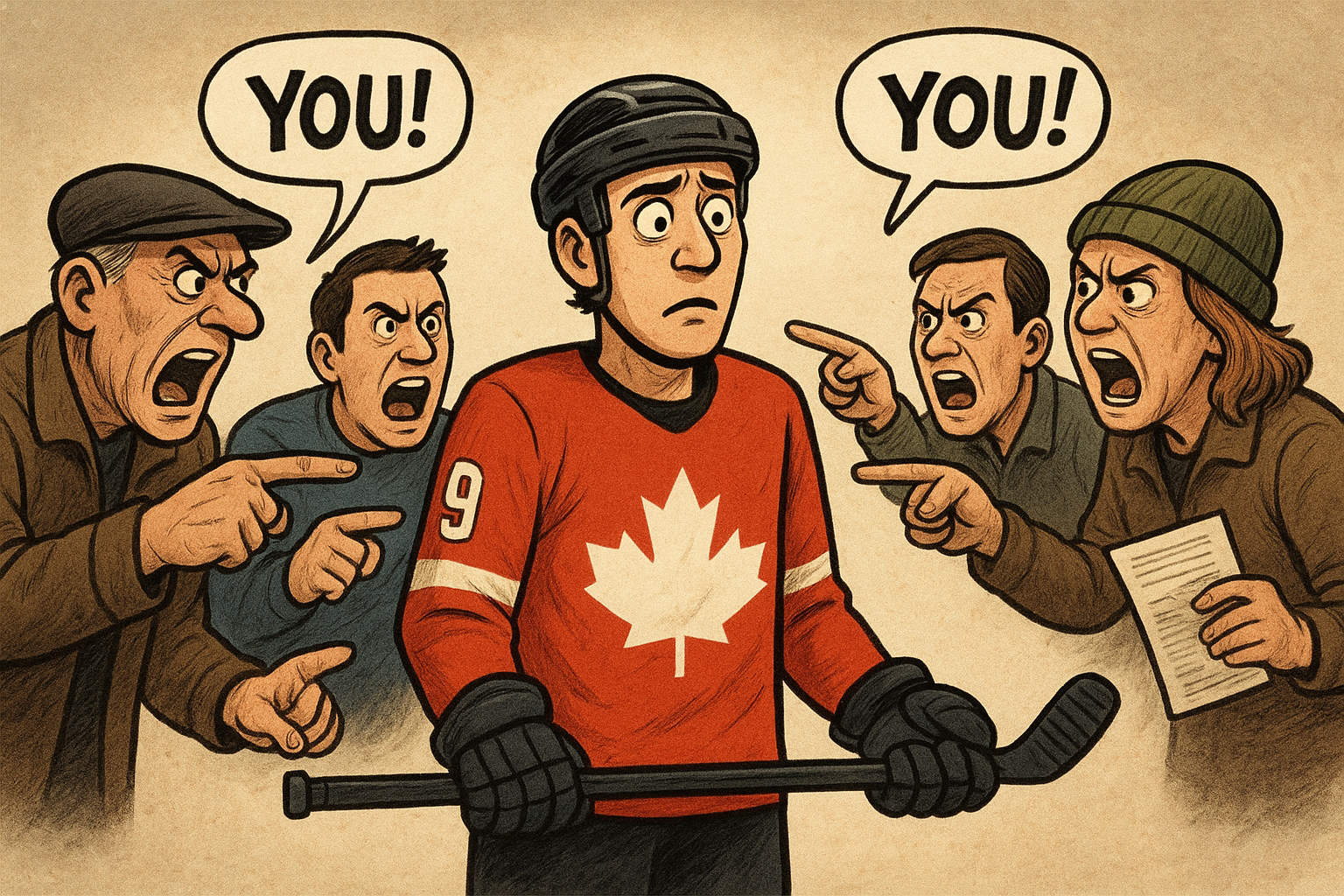
Recently, Ottawa Senators captain Brady Tkachuk found himself in the spotlight – but not because of his performance on the ice. After several games, he began receiving messages from people who had placed bets on him and lost money. They accused him of failing to meet their expectations in shot statistics or overall effectiveness.
This reaction may seem strange, but unfortunately, such cases are becoming more common. Professional athletes are increasingly subjected to threats, insults, and even demands to return money lost in bets. And this doesn’t apply only to hockey. Golfers, tennis players, and athletes in other sports face the same kind of pressure.
Blaming athletes: a troubling new trend
According to a joint report by the WTA and ITF, between January and December 2024, 1.6 million posts and comments were analyzed using the Threat Matrix AI system. More than 8,000 messages from 4,200 accounts were classified as abusive, violent, or threatening. A total of 458 players became direct targets of these attacks. Notably, 40% of all abusive messages came from angry bettors. And each year, these figures continue to grow.
Even top-level players are not spared. Britain’s Katie Boulter received death threats after a match at the French Open. Ukrainian player Elina Svitolina faced aggressive messages from gamblers after losing at the Canadian Open. They demanded their money back and wished harm upon both her and the Ukrainian people as a whole. She responded to this in her Instagram story: “To all the bettors: I’m a mom first before I’m an athlete. The way you talk to women – to mothers – is SHAMEFUL.”
In basketball, Brooklyn Nets player Michael Porter Jr. also revealed that he had received death threats. His brother, former Toronto Raptors player Jontay Porter, became the centre of a major scandal after being suspended by the NBA and accused of involvement in wagering schemes on his own games. We’ve covered such cases of betting manipulation in a separate article. Of course, match-fixing must be punished – but by law, not by angry bettors.
Threats against athletes raise the troubling question of how far pressure from frustrated fans might go. For now, it’s mostly psychological pressure through messages and comments. But there is a real risk that it could escalate into stalking in real life, or even physical violence.
Why gamblers blame athletes for their losses
In July 2025, a US News survey showed that at least 21% of bettors admitted to verbally abusing an athlete after losing a wager. And that’s only those who confessed. The real percentage may be much higher.
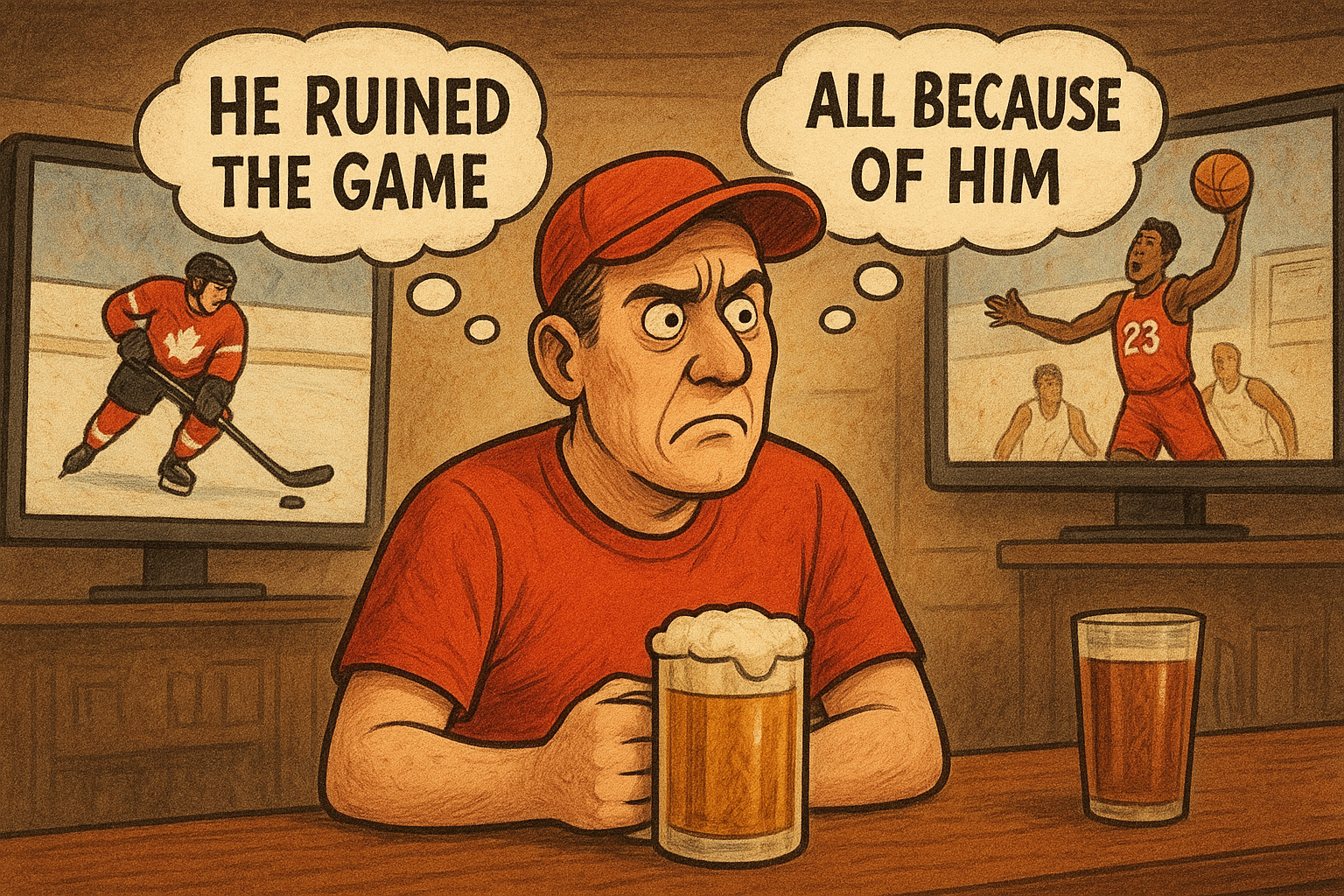
When a bet is lost, many people, instead of admitting their own mistake, vent their frustration on athletes. Several psychological mechanisms explain this behaviour:
- Shifting blame. The frustration-aggression theory suggests that when people face problems (such as losing money), they seek an outlet for their anger. If the direct source of frustration is unavailable, aggression is redirected to the nearest target – in this case, the athlete, who had nothing to do with the bet. This is known as scapegoating.
- Defensive attribution: success is mine, failure is someone else’s. The so-called self-serving bias makes people attribute success to themselves but blame failure on external factors or other people. This is especially clear in sports wagering: fans refuse to admit their own role in a losing bet and instead look for someone else to blame.
- Emotional involvement and the illusion of control. Researchers note that sports betting is often driven not by rational calculation but by emotional ties to a team or athlete. Bettors feel like part of the game. This creates the illusion that the athlete is obliged to meet their expectations – and leads to aggression when that doesn’t happen.
Aggression against athletes is not the result of their performance on the field, but of distorted thinking on the part of bettors. A wager always carries risk, and responsibility for the outcome lies with the person who placed it.
How odds are calculated – and why they don’t guarantee victory
The likelihood of an athlete’s victory is often reflected in the odds. The lower they are, the higher the chance of winning. Some bettors choose such outcomes, thinking that a low odd means a sure, though modest, profit.

In reality, it’s not that straightforward. A variety of factors influence the odds, including:
- current form of the athlete or team;
- statistics from previous matches;
- lineup and participants;
- health and possible injuries;
- weather conditions and venue;
- other details, such as time zone changes.
All these factors are assessed and combined into the final odds. On top of that, the bookmaker adds a margin – the percentage that ensures their profit.
It’s crucial to understand: odds never guarantee results. Even with a high probability of victory, a team or athlete may perform below expectations. Sometimes everything changes due to a referee’s mistake, a sudden injury, a rival’s new tactics, or emotional pressure. That’s why sports betting should always be approached responsibly. We explain this in another article.
Bottom line
Blaming an athlete for a lost bet is meaningless. Athletes don’t control odds, gamblers’ emotions, or their financial choices. They don’t earn a share of someone else’s winnings and they are not obliged to cover anyone’s losses. When a player takes the field, they are responsible to their team, coach, and career – not to fans who placed a wager on them. It’s important to keep this in mind and not rush to pour frustration onto a favourite who didn’t meet expectations. After all, the athlete is just as human as the bettor.
Relevant news

Top 5 Movies That Can Offer Insights for Canadian Bettors
We all watch movies to relax and enjoy a good story – on our own…

How Sportsbook Ads Are Changing the Perception of Sports Broadcasts in Canada
In 2021, Canada legalized single-event sports betting, and in 2022, Ontario opened its iGaming market…

How Technology Is Transforming Online Sports Betting in Canada
Just ten years ago, placing a bet on a match meant visiting a sportsbook website,…

Why Canadian Bettors Prefer Bet365 and Other Key Habits
Ahead of one of the most event-packed sports years – with the Winter Olympic Games,…

The Canadian Bettor’s Calendar for 2026
2026 is set to be a busy year for sports betting fans. The main feature…

Online Betting in Canada: When Convenience Turns Into a Problem
Online betting has become firmly embedded in the habits of Canadian players. There is no…