
Superstitions in Betting Among Canadians

Sports betting is not just about calculations, statistics, and analysis. Many players rely on signs and rituals they believe bring good luck. According to NOW Toronto, almost a third of surveyed Canadians wear “lucky” clothing before a game. For many, it’s not the garment itself that matters but the mood it creates. Some even refuse to wash these items – just in case they wash away their luck.
In Toronto, such rituals are especially popular. More than a third of respondents said they listen to the same song before each match. Another curious fact: about 23% carry what’s known as a lucky loony – a coin that has become a symbol of a winning bet.
These habits may seem odd to outsiders, but for bettors, they’re an important part of the game. In this article, we’ll explore the superstitions common among Canadians and why they’re so widespread.
Lucky omens in betting
Belief in luck has always been part of gambling. Many players have their own winning rituals. Some stem from cultural traditions, while others develop from personal experience.
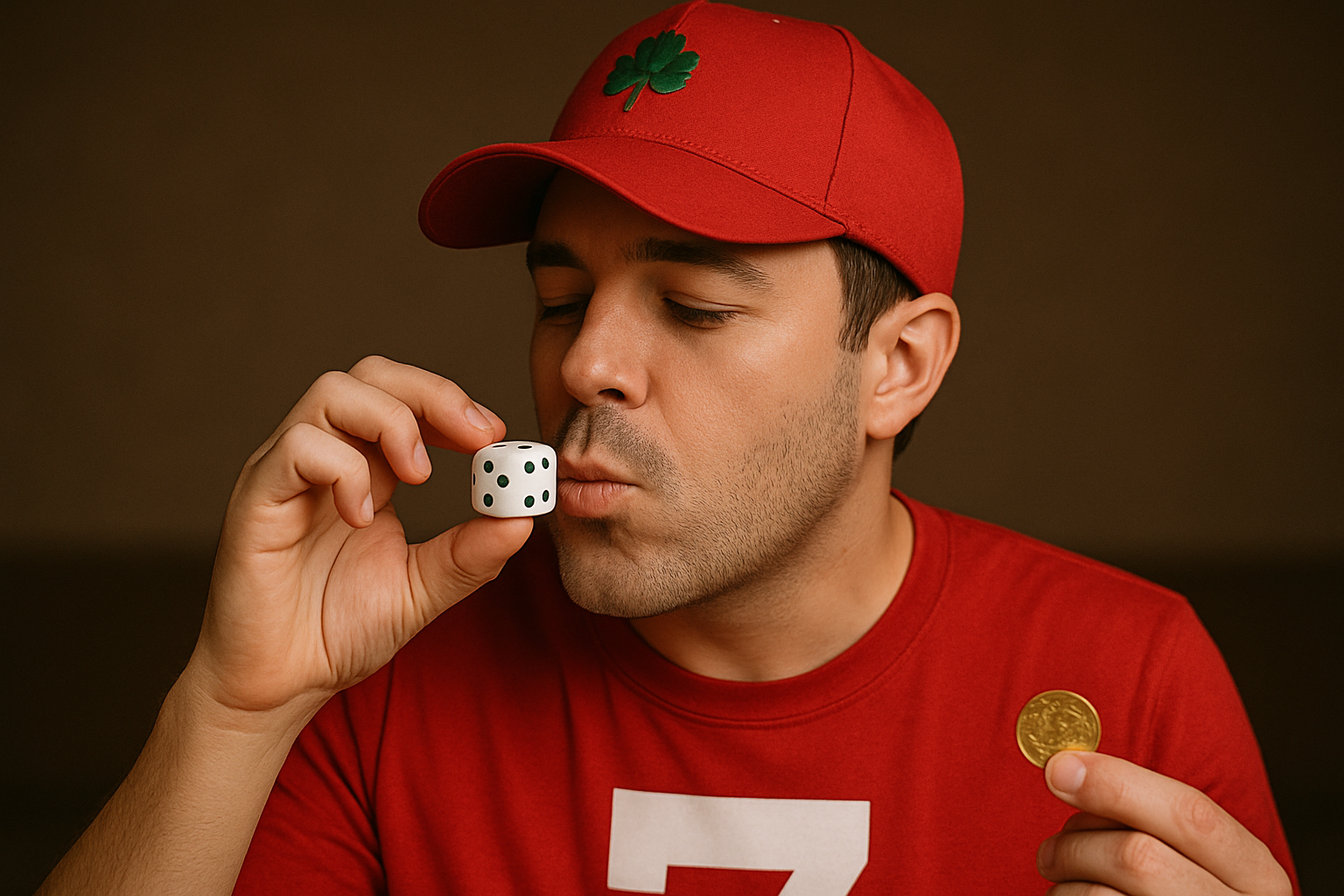
Here are the most common signs that players consider to be good luck:
- Red means money. In Chinese culture, red is a symbol of prosperity. Some players wear red clothing or accessories before a game, from a tie to a ruby pendant.
- Talismans and personal charms. A lucky item might be anything – a coin, clover, figurine, or an old jersey. Such objects are often linked to past wins. Even if they don’t bring results every time, having them nearby can make players feel calmer.
- Lucky numbers. The number 7 is one of the most common symbols of luck in Western culture, frequently seen in slots and lotteries. In Asia, 13 can also be considered lucky. The choice often comes down to personal associations or cultural norms, even if players can’t explain why.
- Unlucky in love, lucky in the game. This saying is familiar to many. Research shows that single players tend to take more risks – perhaps hoping a win will make up for disappointments in other areas of life. Those in relationships tend to play more cautiously, avoiding unnecessary risk.
- Blowing on the dice. A gesture familiar from films – before a roll, a player blows on the dice or rubs them in their hands. Still common in table games like craps, it’s believed to pass on good luck, though for some it’s simply a way to ease tension.
- To watch or not to watch? Some players are convinced they must look away from the game to win. Others won’t blink for fear of missing something important. The methods differ, but the aim is the same – to find a way to influence the result, however irrational it may be.
What bettors avoid to keep from scaring away luck
Alongside lucky rituals, there are also “don’ts” that supposedly drive luck away. Many people believe in these even more strongly, as negative signs tend to attract more attention.
Common examples include:
- No $50 bills. In the U.S., the fifty-dollar bill is considered unlucky, linked to stories from the era of organized crime when victims were found with these bills in their pockets. Even now, some players refuse payouts in this denomination.
- Don’t cross your legs. While harmless and even comfortable, crossed legs are thought to block luck. Superstitious players sit straight, even when nerves are running high.
- Avoid the main entrance. Some believe the front entrance to a casino brings bad luck. This stems from the 1990s at MGM Grand in Las Vegas, where the main doors were shaped like a giant lion’s mouth. To some, this felt like walking into a predator’s jaws. The design has changed, but the habit of entering from the side remains for certain players.
- Don’t count money at the table. This is both etiquette and superstition. Counting cash mid-game is said to scare away luck, so many players avoid touching their winnings until the game ends.
- No lending money. Handing cash to another player is seen as giving away your luck. If they win with that money, it’s believed your fortune went to them.
- Unlucky numbers. Different cultures have their own cursed numbers. In China and Japan, 4 is avoided because it sounds like the word for “death.” In the West, 13 is avoided, tied to the number of guests at the Last Supper. Even skeptics may instinctively avoid these numbers when placing bets.
- Itchy palms – a bad sign. In some Slavic countries, an itchy right palm before a bet means losing money, while the left palm signals profit. Superstitious players watch for such body signals as if the body itself warns them in advance.
Why Canadian bettors believe in superstitions
Surprisingly, even in the digital age with access to data and statistics, many still rely on lucky shirts, favourite songs, or special coins. These actions are emotional, not logical.
Researchers believe these rituals stem from a desire for control. In betting, results don’t depend directly on the player, and performing familiar actions creates the illusion of influence. This can reduce anxiety and improve focus.
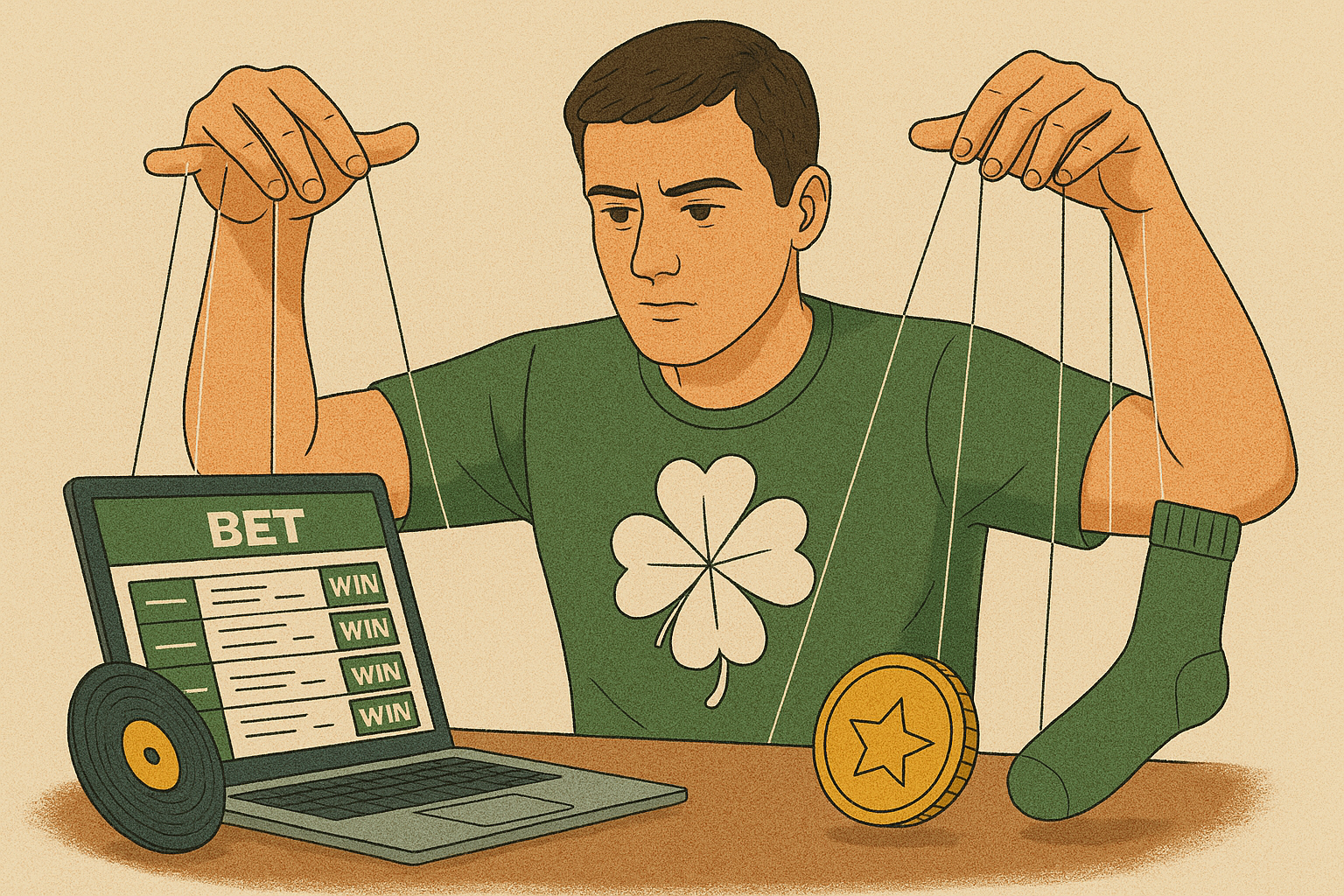
Often, superstitions are fuelled by false cause-and-effect links. For instance, if a bet wins while wearing a certain shirt, the brain records this as a pattern. This is connected to confirmation bias and the gambler’s fallacy – the belief that the next outcome depends on the previous one.
Superstitions can even boost self-confidence. If a person believes in their winning ritual, they feel calmer and act more decisively – similar to the placebo effect, where belief changes perception.
The environment also plays a role. If a group of friends all carry lucky loonies, others may start believing in their power too.
This mix of personal beliefs, emotions, and social influence makes superstitions a natural part of betting – especially in countries with an active fan culture like Canada.
The downside of superstitions in betting
Superstitions may seem harmless. Put on your favourite T-shirt and feel calmer – how could that be bad? But relying on luck can be risky, especially in betting. We have partly touched on this topic in this article.
Why superstitions can be dangerous:
- Losing touch with reality. Linking success to omens prevents clear judgment. Instead of using analysis, the player simply hopes for the best, leading to reckless bets and losses.
- Ignoring facts. Blind faith in signs can block objective thinking. Even when statistics and logic say one thing, the bettor follows another path – because it worked last time.
- Compulsive behaviour. Some can’t place a bet without their ritual. Over time, this becomes a habit that’s hard to break – even if it no longer works.
- More guilt and anxiety. If a bet loses, the player blames themselves – “I forgot the socks,” “I played the wrong song.” This constant stress deepens the belief in rituals, creating a vicious cycle.
- Easier to manipulate. Superstitious people are more susceptible to false forecasts, fake experts, and dubious schemes. They tend to trust promises rather than rely on their own judgment.
While superstitions can help with stress, they become a red flag when they replace informed decision-making. It’s important to approach betting with a clear mind and follow responsible gaming practices, as we have discussed in this article. This will help avoid financial losses and prevent the development of addiction.
Relevant news

Top 5 Movies That Can Offer Insights for Canadian Bettors
We all watch movies to relax and enjoy a good story – on our own…

How Sportsbook Ads Are Changing the Perception of Sports Broadcasts in Canada
In 2021, Canada legalized single-event sports betting, and in 2022, Ontario opened its iGaming market…

How Technology Is Transforming Online Sports Betting in Canada
Just ten years ago, placing a bet on a match meant visiting a sportsbook website,…

Why Canadian Bettors Prefer Bet365 and Other Key Habits
Ahead of one of the most event-packed sports years – with the Winter Olympic Games,…

The Canadian Bettor’s Calendar for 2026
2026 is set to be a busy year for sports betting fans. The main feature…

Online Betting in Canada: When Convenience Turns Into a Problem
Online betting has become firmly embedded in the habits of Canadian players. There is no…