
Account Security for Bettors in Canada: What You Need to Know
In June 2025, researchers confirmed the largest password leak in history. Data from 16 billion accounts – spanning Apple, Google, Telegram, Facebook, and other major platforms – was released online. Experts believe this was the result of coordinated efforts by several groups using malware to harvest credentials. If the same password is reused across services, the risk of a breach increases significantly.
Even companies like Google and Apple can be compromised. That’s all the more reason to take the protection of your personal accounts seriously – especially with online betting platforms, where money, personal details, and financial history are involved. In this article, we’ll look at what Canadian bettors can do to avoid becoming hacking victims.
Top cyber risks for online bettors in Canada
Fortinet’s 2025 report shows that in 2024, Canada ranked among the top three countries most targeted by cyberattacks. This means even private users – including bettors – are at risk.
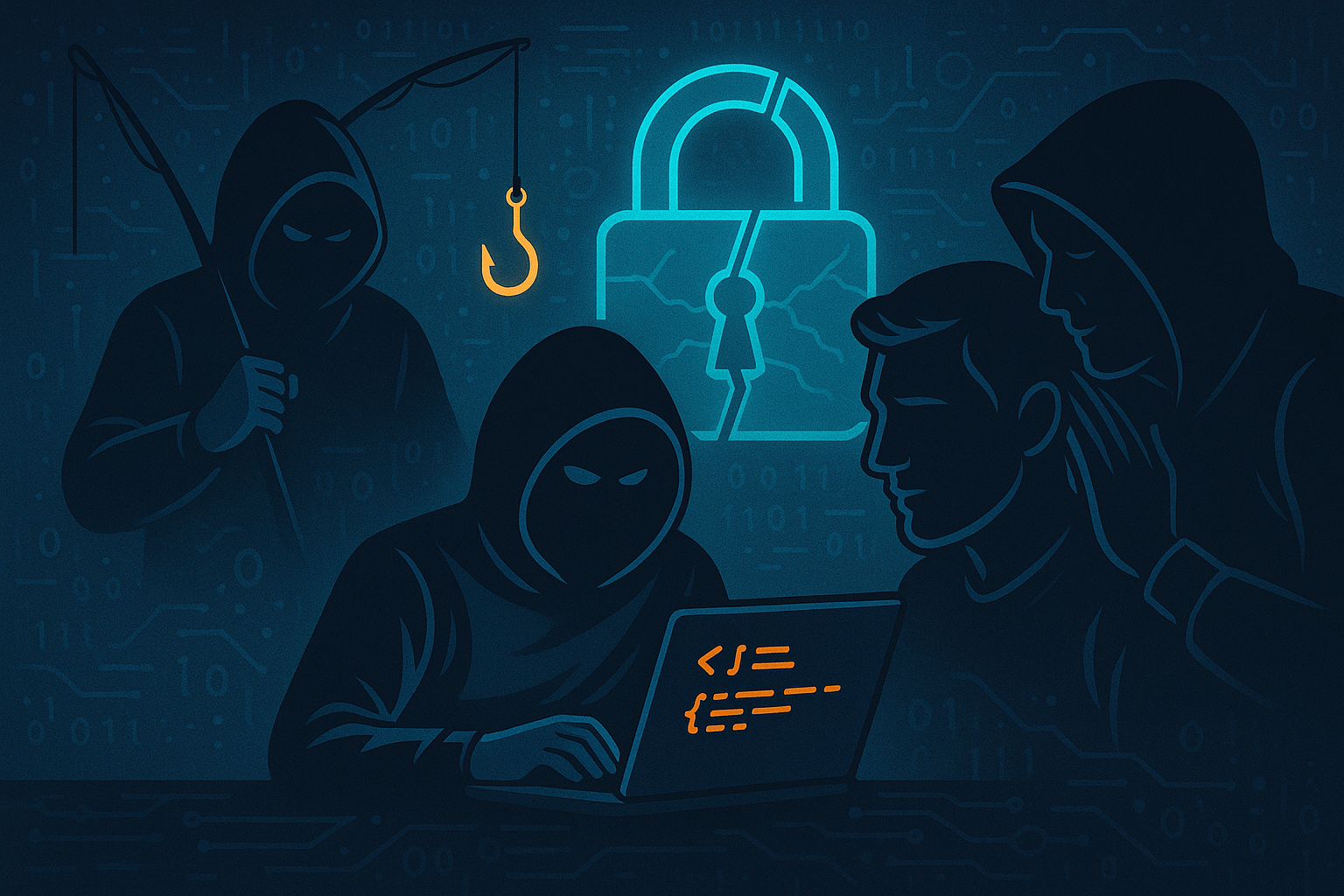
Here are the main fraud methods used by hackers:
- Infostealing. These are malware programs that silently collect logins and passwords from your devices, often delivered through phishing links. According to Fortinet, the number of such attacks is rising alongside AI automation – 1.7 billion stolen credentials were available in one year, and the use of these credentials rose by 42%.
- Credential stuffing. Sometimes, scammers don’t rely on malware – they take advantage of leaked databases instead. In July 2024, the PlayNow iGaming website was breached this way. Hackers used login-password combinations from other sites to access accounts, with 250,000 unauthorized login attempts detected. Richmond RCMP arrested a suspect believed to have purchased stolen credentials via social media. Most compromised accounts were blocked, and users were advised to reset their passwords.
- Social engineering. These scammers exploit trust, often posing as customer support agents to extract passwords or recovery codes. Even if a website is secure, the user may voluntarily give access. The risk increases when scammers use AI tools – for example, to clone a voice or video. That said, AI can also help protect against fraud, as discussed in this article.
Most modern attacks target users directly – through phishing, malware, and hacks. With Canada being a major target for cybercriminals, bettors must maintain strong digital hygiene.
How to secure your online sports betting account: key protection measures
Even a reputable online bookmaker can’t protect your account if the breach happens on your end. Most breaches are not due to vulnerabilities in betting platforms but stem from weak passwords or the use of public Wi-Fi networks.
To avoid becoming a victim, take a few simple yet effective steps:
- Use a unique password. Choose one with at least 12 characters, including uppercase letters, numbers, and special symbols. Avoid reusing passwords across services. Don’t include personal info like birth dates, names, or favourite teams. Use a password manager (e.g., Canada-based 1Password, Bitwarden, or NordPass) to store your credentials.
- Enable two-factor authentication. Always activate 2FA in your betting account settings. App-based 2FA (e.g., Google Authenticator, Authy) is more secure than SMS-based methods.
- Be cautious when logging in. Don’t log in from public Wi-Fi without a VPN. Always check the website address – it should start with https:// and contain the correct domain. Never enter your login details through links from emails or messengers. Don’t save passwords in browsers when using public or shared computers.
- Monitor notifications. Many betting sites send alerts when your account is accessed from a new device or IP. Don’t ignore these emails – they could be the first sign of an attack. At the slightest suspicion, change your password and log out of all sessions immediately.
Account security isn’t a one-time action – it’s a combination of good habits. A strong password and 2FA are essential, but true protection starts with being alert: about the sites you visit and the emails you open. Check out this article for more on online betting scams in Canada.
What to do if you fall victim to scammers
Even with all precautions, no one is completely immune to hacks or scams. The key is to act fast.
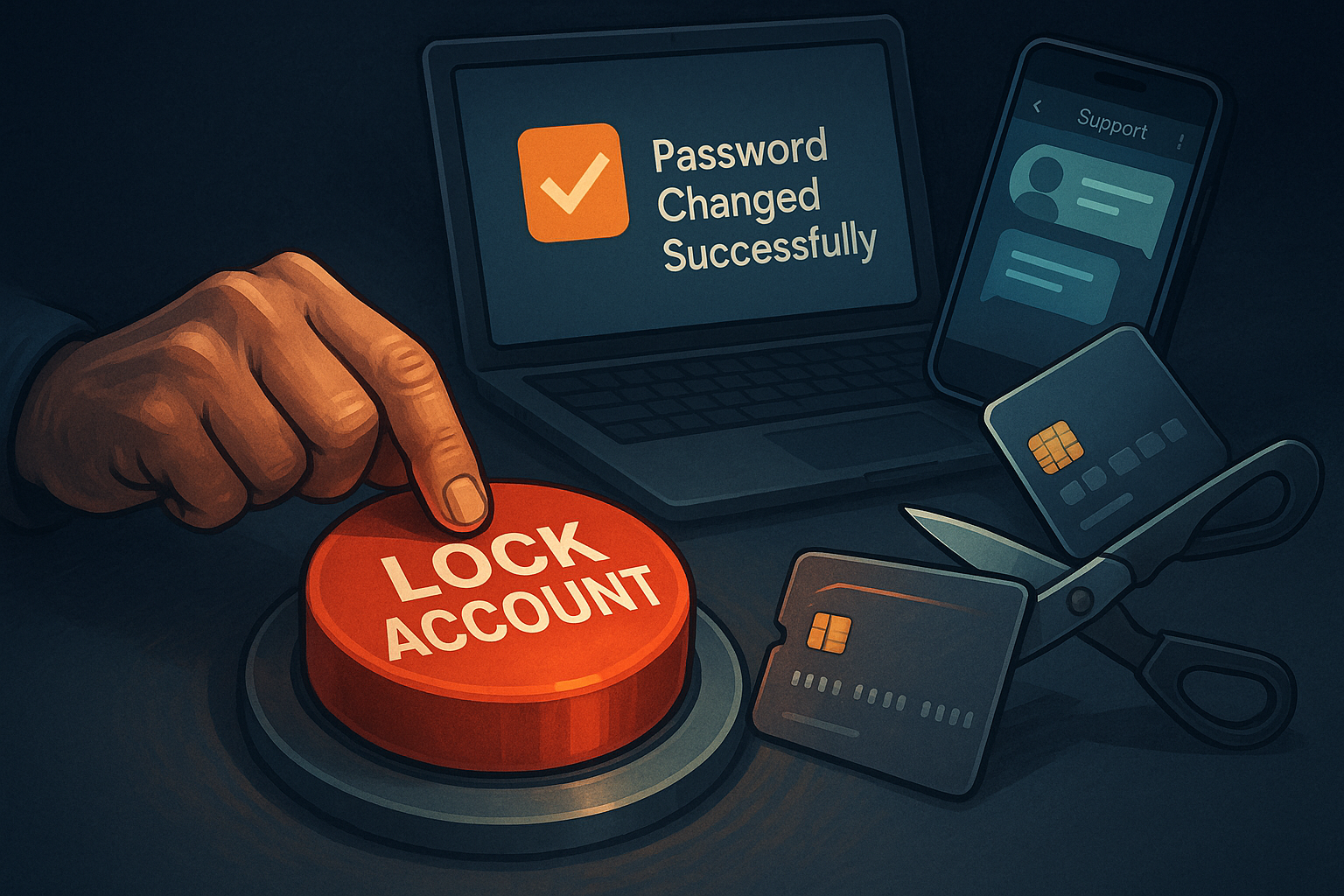
Change your password immediately. If you still have access to your account, go to the settings and create a new, secure password. Also, change passwords on other services where you might’ve used the same one.
Log out of all devices. Most betting platforms offer the option to end all active sessions. Use it to kick out any intruders still inside.
Contact betting platform support. Explain the situation and request a temporary account block. Major operators in Canada offer 24/7 customer support.
Notify your bank or payment provider. If money was withdrawn or a card was linked to your account, block the card and contact your bank. Ask if the transactions can be reversed (e.g., via Interac or e-Transfer).
Document the incident. Take screenshots of suspicious activity, emails, and notifications. These can help during investigations and serve as evidence if you contact regulators.
Report the fraud. In Canada, the following official bodies accept reports:
If your betting provider is licensed by AGCO (Alcohol and Gaming Commission of Ontario), you can also file a complaint on their official site.
Even after regaining access, don’t stop there – check if any of your other accounts (email, social media, bank) have been compromised. A betting account breach is often just one part of a larger attack.
Relevant news

Bet365 and UFC Join Forces: What Canadian Bettors Should Know
The way people watch sports and bet on them is changing fast. In early 2026,…

Top 5 Tools for Smarter Sports Betting in Canada
Sports betting in Canada has become more complex. Players can now choose from hundreds of…

A Brief Guide to Sports Betting Taxes in Canada
Taxation is a concern for every player who places sports bets on a regular basis.…

What to Know About Payout Withdrawals at Canadian Sportsbooks
The rapid growth of private operators in Canada's online betting market has given players more…

How Bookmaker Margin Works: A Guide for Canadian Bettors
Have you ever wondered why the bookmaker always ends up in profit, even when you…

How to Start Playing Fantasy Sports on Bet365
Fantasy sports have long been popular in the U.S. and Europe. Now, this format is…