
How Artificial Intelligence Is Used in Betting in Canada
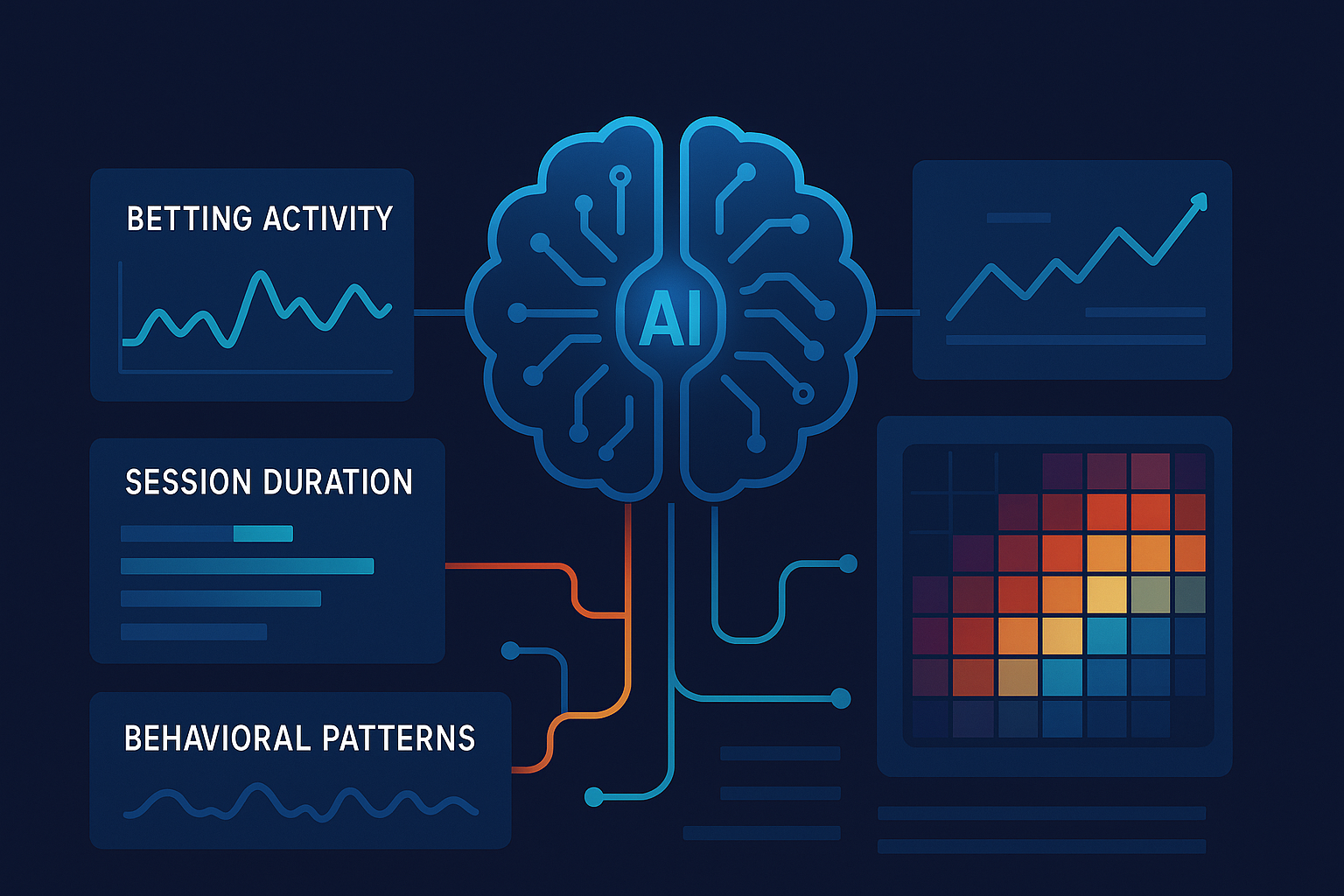
Artificial intelligence is gradually transforming the betting industry in Canada. Local operators are increasingly adopting machine learning algorithms to analyze customer behaviour, personalize offers, and reduce risk. These technologies promise higher profits, but at the same time, they raise ethical and regulatory concerns.
For example, the PowerPlay platform now uses DataX and LogicX tools from GiG. According to the developers, these systems help increase player engagement and improve audience retention. AI assists bookmakers in adjusting marketing strategies, identifying early signs of gambling addiction, and incorporating elements of responsible gaming. But where does genuine concern for the user end and manipulation begin? Can a profit-driven algorithm truly serve the interests of the customer?
Canada, as one of the most advanced countries in terms of gambling regulation, is striving to strike a balance between innovation and player protection. We partially addressed these issues in a previous article on betting trends. Here, we’ll take a closer look at how artificial intelligence is already impacting the Canadian betting industry – and what opportunities, risks, and challenges come with technological progress.
Betting operators and AI: three main areas of application
For bookmakers, AI has become a powerful tool for understanding audiences more accurately, increasing the return on marketing investments, and combating fraud more effectively. Thus, these technologies operate on several fronts simultaneously.
Player behaviour analysis
In Ontario, PowerPlay implemented GiG’s DataX system, which tracks bet frequency, session length, and other behavioural indicators. This data helps identify potentially vulnerable players before issues arise.
Personalization of offers
The LogicX tool is used to tailor personalized promotions. It analyzes each customer’s playing style to generate relevant bonuses. For example, players who bet infrequently receive time-limited offers or cashback deals. This helps operators increase deposits while reducing churn. Pinnacle, for instance, reported a 17% boost in customer loyalty thanks to personalized recommendations. And Betfair data shows that using AI-driven forecasts helped users reduce losses by 9% during the 2023 football season.
Fraud detection
AI systems can detect suspicious activity even during registration – unusual behaviour, account similarities, or abnormal deposits. This lowers the risk of financial loss, speeds up the work of security teams, and increases user trust in the platform. According to GiG, one of its top-performing algorithms achieved an 84.2% accuracy rate in detecting fraudulent behaviour. Such systems are already becoming the industry standard.
How AI can benefit bettors
AI tools are also available to players. There are services that compare odds across dozens of sites in real time, analyze sports statistics, and even scan social media activity of athletes. These solutions promise users a digital edge through the speed and scale of data processing.
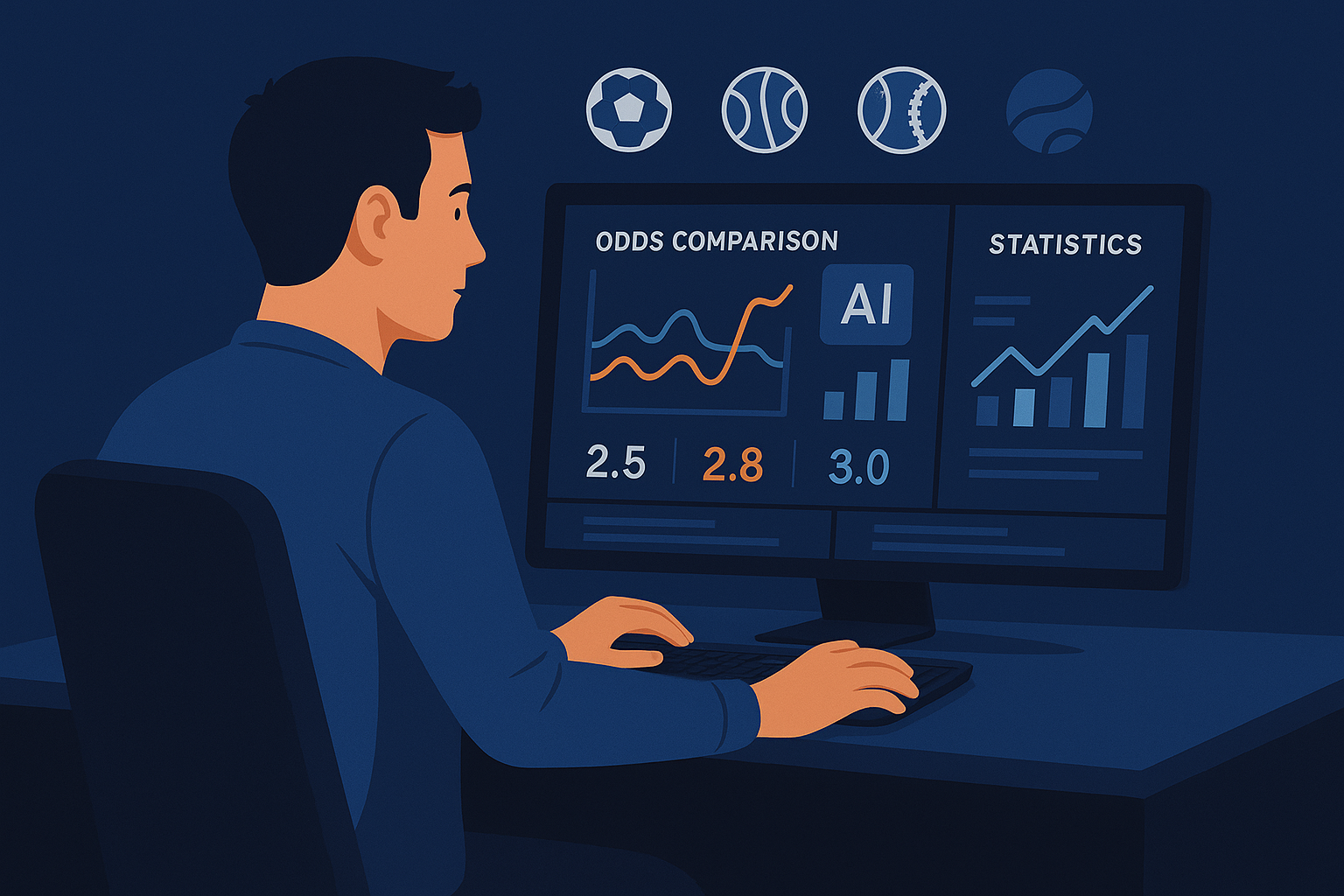
However, in practice, AI predictions are often unreliable. Algorithms are sensitive to data noise, fail to consider context, emotional states of athletes, or sudden changes – all of which can significantly affect the outcome of a match. We intentionally do not mention the names of such services, as their accuracy is unverified.
Still, visually appealing interfaces, technical jargon, and bold claims of high precision can create an illusion of reliability. This may worsen gambling addiction, especially when users begin to rely solely on the algorithm rather than their own strategy.
Currently, provincial regulators do not oversee these services. They are available freely online or through social media, often without licenses and without any responsibility for their impact.
Does AI support responsible gaming?
Not all AI solutions are focused on boosting profits. Some platforms integrate algorithms to protect users. For example, PlayNow.com, operated by the British Columbia Lottery Corporation, has implemented tools that monitor player behaviour and offer support when signs of addiction appear. The system tracks betting frequency, session duration, and changes in activity, then suggests setting limits or taking a break.
Ontario has the PlaySmart program by the Ontario Lottery and Gaming Corporation. It provides self-control tools – from spending limits to temporary self-exclusion through the My PlayBreak service. However, these measures, like many other resources we’ve discussed here, depend on player initiative. In contrast, AI can act proactively – identifying risks and initiating intervention even if the user doesn’t request help.
Conclusion: AI is irreversibly changing Canada’s betting market
AI is reshaping many aspects of the betting industry. Operators gain tools for growth, users get access to new digital capabilities, and regulators face increasing reasons for concern. On one hand, algorithms can enhance safety, detect addiction, and promote a more responsible industry. On the other, technology remains a tool in the hands of businesses whose primary goal is profit.
Issues of manipulation, ethics, and transparency are becoming more pressing. Whether Canada’s response will be proactive or delayed remains to be seen. But one thing is clear: AI is no longer just a technology – it is one of the key forces influencing the future of the betting industry.
Relevant news

Updated Gambling Support System in British Columbia Explained
British Columbia ranks third in population among Canadian provinces and continues to show steady economic…

Top 5 Movies That Can Offer Insights for Canadian Bettors
We all watch movies to relax and enjoy a good story – on our own…

How Sportsbook Ads Are Changing the Perception of Sports Broadcasts in Canada
In 2021, Canada legalized single-event sports betting, and in 2022, Ontario opened its iGaming market…

How Technology Is Transforming Online Sports Betting in Canada
Just ten years ago, placing a bet on a match meant visiting a sportsbook website,…

Why Canadian Bettors Prefer Bet365 and Other Key Habits
Ahead of one of the most event-packed sports years – with the Winter Olympic Games,…

The Canadian Bettor’s Calendar for 2026
2026 is set to be a busy year for sports betting fans. The main feature…